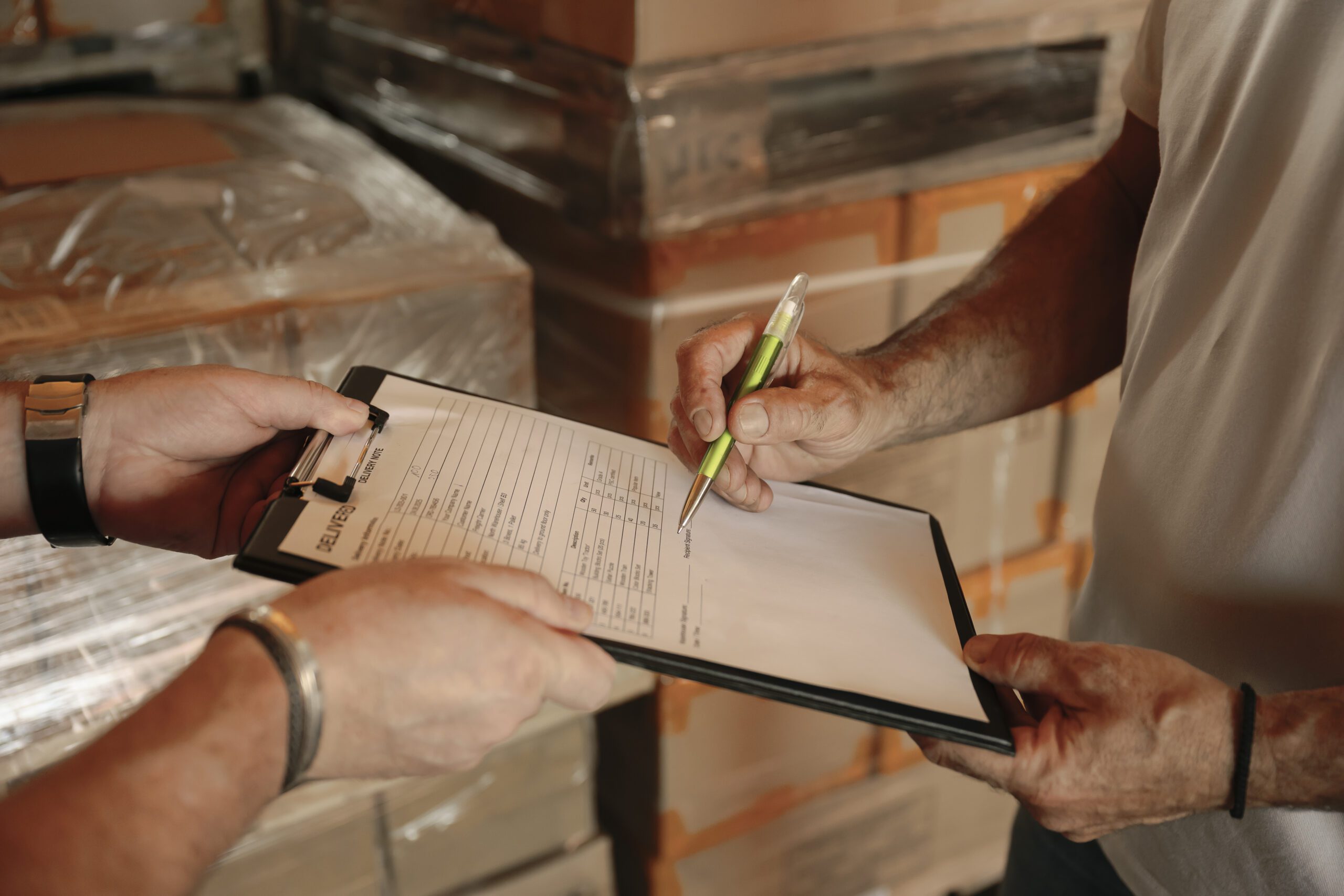
Getting an order out the door feels like a win… That is, until a box gets held up or stuck on a warehouse rack because an important shipping document is missing. eCommerce logistics moves fast, and shipping documents are probably the last thing on your mind when you’ve got so many other things to think about. But every parcel still needs the right documentation if it’s going to move smoothly through carriers, customs, and customer handoffs. In this guide, we break down the key shipping documents required for eCommerce brands in 2026 – without any of the confusing legal jargon. A shipping document is a physical document or digital record that travels with a shipment or provides the information needed to process it. Depending on the type of shipment, it can include details such as: These documents give different teams the information they need to do their jobs. Carriers use them to process and deliver shipments. Customs officials use them to assess goods entering or leaving a country. Warehouse teams use them to handle order fulfilment. And customers may use packing slips or delivery notes to confirm what they've received. Get the paperwork right, and things can keep moving. Get it wrong, and you could be dealing with delays, extra charges, or a parcel heading back to your warehouse. Not every shipment needs every document. What you need depends on factors such as where the goods are going, how they're being transported, and what's being shipped. Here are some of the key documents eCommerce businesses may need. A commercial invoice is a document used for goods being shipped internationally. It provides information about the transaction and the goods being sent. It typically includes details such as: For international shipments, customs authorities use the information on the commercial invoice to assess the goods and calculate any applicable duties and taxes. That means accuracy matters. If the value or description is wrong, your parcel could be delayed while the information is checked. A bill of lading, often shortened to BOL, is a document used in freight shipping. It acts as a contract between the shipper and the carrier, setting out important details about the goods being transported and the terms of the shipment. It can also act as a receipt confirming that the carrier has received the goods for transport. Bills of lading are more common for larger freight shipments than individual eCommerce parcels. But if your business is moving significant volumes of stock, they're an important part of the logistics process. A packing slip is a document showing what has been included in a shipment. For an eCommerce order, this might list: It's mainly used to help warehouse teams and customers check that the right products have been packed and delivered. A waybill is slightly different. It provides information about the shipment and acts as a record of the transport arrangement. A delivery note is generally used to confirm what has been delivered. The exact terminology can vary between carriers and businesses, but the basic idea is the same: everyone needs a clear record of what's moving from A to B. Sending goods across borders means customs needs to know what's inside the parcel. A customs declaration provides information such as the contents, value, weight and intended use of the goods. For postal shipments, CN22 and CN23 forms are commonly used depending on the type and value of the shipment. Getting these details right is particularly important for international eCommerce. A vague description like "goods" doesn't give customs much to work with. A clear description, accurate value, and correct commodity code give the relevant authorities a much better picture of what's actually in the parcel. A certificate of origin confirms the country where goods were manufactured or produced. Not every eCommerce shipment will need one. They're particularly relevant when importing or exporting goods where the origin affects customs treatment. For example, a trade agreement may allow goods from certain countries to qualify for preferential tariff rates if they meet the relevant rules of origin. If your products are manufactured in one country, stored in another, and then shipped to customers elsewhere, understanding their country of origin becomes particularly important. Shipping paperwork is becoming less about actual paper. Electronic trade documents and digital customs processes are increasingly being used to share shipment information between businesses, carriers and customs authorities. That can reduce the need for physical paperwork and make information available earlier in the shipping process. For eCommerce businesses, automation can also help reduce the amount of manual data entry involved. Your order management, warehouse, and shipping systems can potentially share information such as SKUs, product descriptions, values, and delivery addresses. This means shipping documentation can be created from the same data used to process the order. And this is where accurate data becomes really important. Automation won't fix bad information. If your product database has the wrong commodity code or an inaccurate product description, your automated shipping documents could simply reproduce the same mistake at impressive speed. The technology is useful, but the data still needs to be right. Shipping documents don't usually cause problems because they're complicated. They cause problems because small details don't match. Common mistakes include: Declaring the wrong value can cause issues with customs assessments, duties, and taxes. ‘Stuff’, ‘samples’, or ‘clothing’ don't tell customs much. A description such as ‘100% cotton T-shirt’ is much more useful. These codes help classify goods for customs purposes. Using the wrong code or leaving one out when it's required can cause delays. If the delivery address on your shipping label doesn't match the information in your order or customs documentation, someone may need to stop and investigate. If the paperwork says there are 10 items in a shipment, but the box contains eight, that discrepancy could create unnecessary questions. The consequences can range from a small administrative headache to a much bigger operational problem. A shipment could be delayed, incur additional charges, be returned to the sender, or leave a customer wondering where their order has gone. And when you're processing hundreds or thousands of orders, manually checking every document isn't exactly a dream way to spend your afternoon. Shipping documents are only one part of the fulfilment process. They rely on the same accurate product, order, and customer data that your warehouse and fulfilment teams need to get orders out of the door in the first place. That's why connecting your systems and processes matters. At Dee Set, we bring together retail data, warehousing, storage, and order fulfilment to help keep products moving through your operation. When the right information flows between systems, there's less need for teams to manually enter the same details again and again. The result? A more connected fulfilment operation, with the right information available when it's needed. Because nobody wants an order sitting in a warehouse because a box of paperwork didn't make the journey with it. Want to make your eCommerce fulfilment more efficient? Get in touch with the Dee Set team today.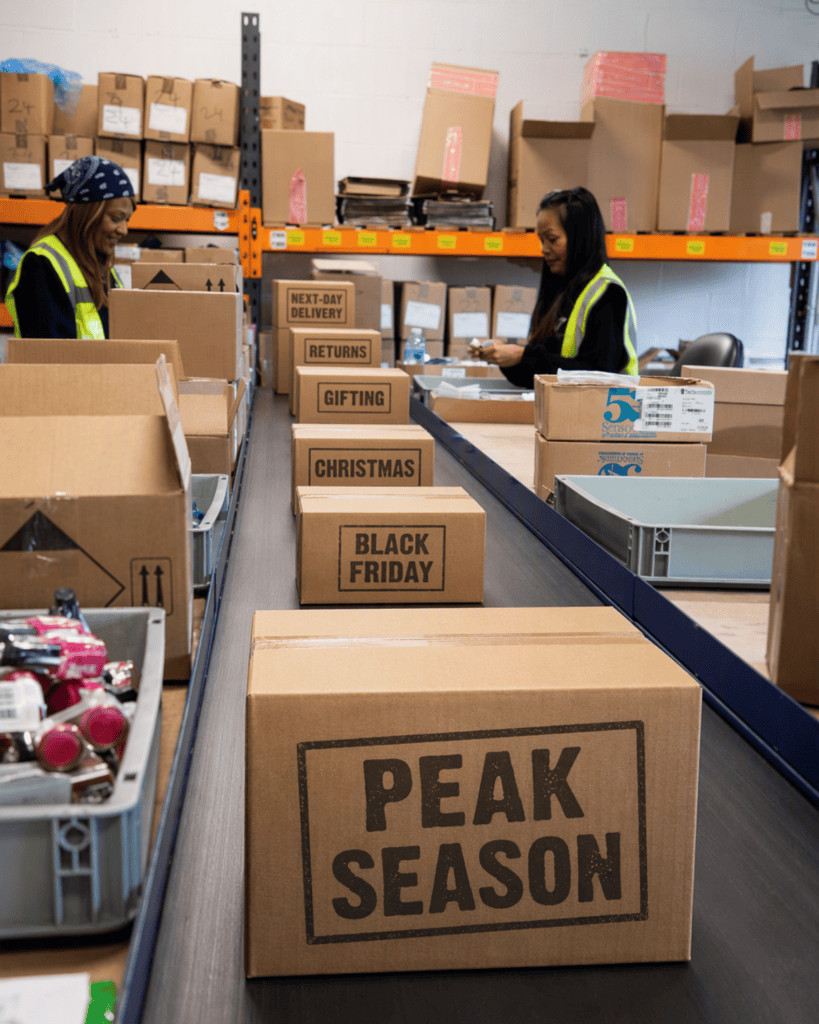
What is a shipping document?
The essential shipping documents for eCommerce
1. Commercial invoice
2. Bill of lading
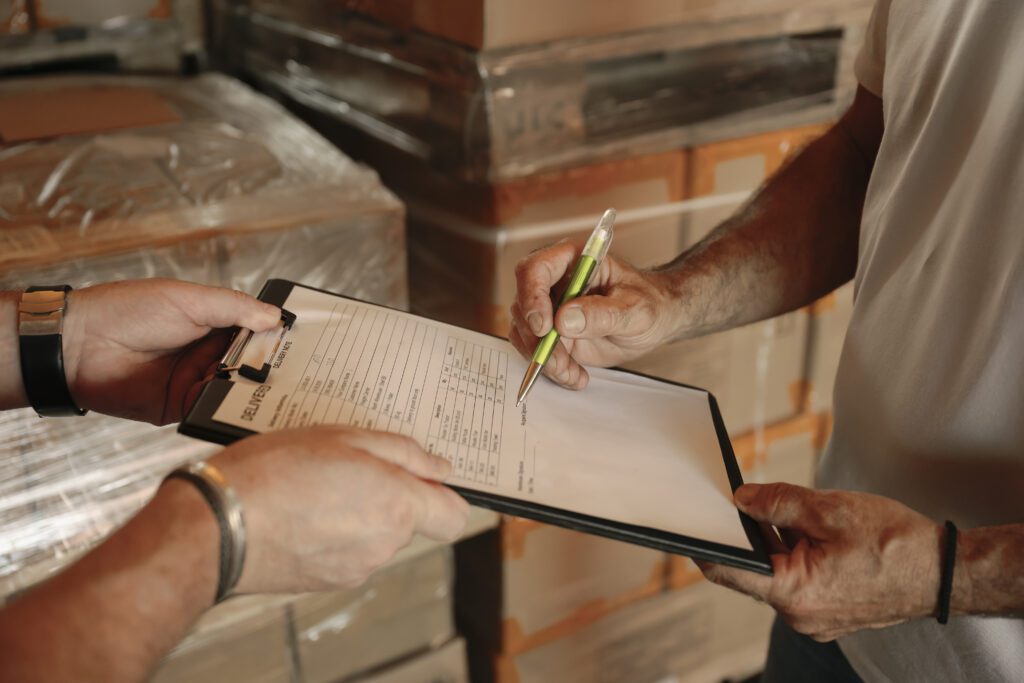
3. Packing slip, waybill, or delivery note
4. Customs declaration & CN22/CN23 forms
5. Certificate of origin
What’s changing with shipping documents in 2026?
Common shipping document mistakes (and how to avoid them)
Inaccurate values
Vague product descriptions
Missing HS or commodity codes
Mismatched addresses
Incorrect quantities
How Dee Set helps keep your eCommerce logistics moving