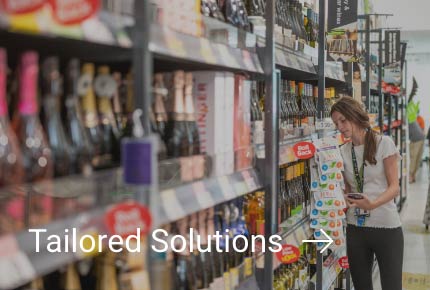
After a high-pressure seasonal trading period, retailers often face a new set of Q1 retail challenges. While demand hasn’t disappeared, customer behaviour shifts significantly once gifting peaks, deliveries have been finalised, and last-minute purchases fade. Spending becomes more selective, operational pressure increases, and teams must adapt quickly to maintain momentum. The post-holiday period highlights these retail challenges. People pause spending and evaluate budgets, but the period also provides valuable commercial, operational and marketing advantages, especially for those who approach it strategically. Key Q1 retail challenges include: Understanding these challenges and how to overcome them is essential for maintaining performance throughout the first quarter. After the holiday rush, retailers face key challenges. Here is how Dee Set can help you overcome them. Returns spike immediately after the holidays, with billions of pounds’ worth of product re-entering the supply chain within days. This sudden volume strains warehouses and customer service, often hiding the true performance of Q4 and creating administrative backlogs. Yet returns offer valuable insights. Reasons like size issues, unclear colour, packaging dissatisfaction, or misleading photography reveal product flaws more accurately than surveys or forecasts. Retailers who track these insights refine product copy, fix recurring issues, and cut repeat returns. A simple change in sizing descriptions can prevent tens of thousands of unnecessary returns in the next cycle. The returns experience also shapes future purchases. Transparent, consistent, and fast processes increase repeat buying. Offering store credit, alternatives, or improved versions keeps spending within the brand rather than losing it. AI is now helping retailers tackle returns faster and at scale. By analysing reason codes, purchase histories, and sizing preferences in real time, AI can flag likely returns before stock is fully distributed. It also enhances product pages with clearer sizing guidance, accurate colours, and fit notes. Some retailers even use AI at checkout to suggest alternative sizes or similar products, reducing returns before orders are placed. At Dee Set, we help you manage post-peak returns efficiently, turning what can feel like a logistical challenge into a smooth process. Our field teams support your stores by handling returned products and ensuring planogram compliance and shelf standards are maintained. Using our data capture and reporting tools, we give you clear insights into return trends so you can act quickly and maintain a seamless customer experience. Stock built to serve high-tempo gifting patterns frequently remains on shelves or in warehouses. Seasonal packaging, promotional bundles and late-selling winter lines can add to this. Storage costs rise, the stock ages, and heavy discounting becomes the default reaction. However, stock that appears seasonal can often be repositioned. Winter clothing, for instance, can serve transitional needs rather than being labelled as clearance. Home or gifting products can shift into “organisation,” “replenishment,” or “early spring refresh” themes. Retailers benefit most when they avoid broad markdowns and instead apply smaller, well-targeted adjustments that match customer context. This might involve assigning inventory to controlled channels, creating planned events such as small clearance drops or attaching slow-moving inventory to more active categories. Done early and with intention, this prevents deep discount dependency later in Q1. At Dee Set, we make sure your surplus stock works for you. Our teams optimise product placement, check planogram compliance, and carry out in-store merchandising so inventory is presented in the best possible way. With our reporting, you’ll have full visibility of stock levels, helping you move products efficiently while protecting your margins. Once the festivities disappear, customers still browse and engage, but are more selective. This period often sees higher rates of research rather than immediate purchase, which means conversion slows even though digital activity remains strong. Re-engagement works well here. Customers acquired during peak season are still familiar with the brand, and small prompts often convert them. Examples include recommendations linked to recent purchases, replenishment reminders, loyalty earn-outs or follow-ups based on abandoned baskets. Messaging also benefits from shifting away from urgency-based selling into more practical positioning. Customers tend to respond well to products that improve everyday routines, support personal goals or replace items they received but want a better version of. At Dee Set, even when trading slows, we help keep your products visible and accessible. Our teams carry out planogram checks, shelf merchandising, and stock optimisation so popular items are easy to find. We provide clear, data-driven reporting to highlight areas needing attention, helping you maintain in-store performance and convert browsers into buyers. Seasonal labour reduces rapidly, leaving core staff to manage returns, merchandising resets and new-season transitions. Stores also face gaps in compliance, layout changes and stock presentation as seasonal ranges are phased out. This period is often the most effective time to execute changes that are difficult during peak trading. Shelf and display resets, early-spring planogram rollouts, standards checks and local sales optimisation thrive during quieter footfall periods. Extended field support can close execution gaps quickly and give stores a stronger starting point for spring launches. At Dee Set, after seasonal staff reductions, we step in to fill the gaps. Our field teams carry out shelf resets, planogram rollouts, and in-store compliance checks, ensuring your stores maintain standards, layouts stay optimised, and you’re ready for the new season. Q4 creates a lag effect on financial performance. Advertising spend, recruitment and stock commitments settle into January’s lower revenue levels, and this can slow decision-making for new initiatives. Instead of postponing development, many retailers shift towards stabilising income. Rather than pausing activity, many use this time to make revenue more consistent. Encouraging early gift-card use, promoting subscription or auto-replenishment options, and offering loyalty rewards can help steady cash flow. Gift-card redemption is especially useful because customers often spend above the value of the card itself. When the redemption process is straightforward and appealing, it tends to increase basket size and bring customers back into active purchasing. At Dee Set, we help you keep in-store operations running smoothly during slower periods. From stocking products to maintaining displays and compliance, our teams ensure your stores are ready for customers. Our reporting tools provide visibility where it’s needed, helping you manage stock and operational priorities to keep performance consistent. Dee Set supports retailers through this post-holiday period by: If you're ready to strengthen execution during this period, we’ll help you turn the post-holiday slowdown into a strong start to the year. Get in touch today. With the strength of Acosta Europe behind us, we’re positioned to deliver bigger wins for your business. Let’s explore what that could look like for you.

Q1 retail challenges and how to overcome them
Returns and Operational Pressure After the Peak Trading Period
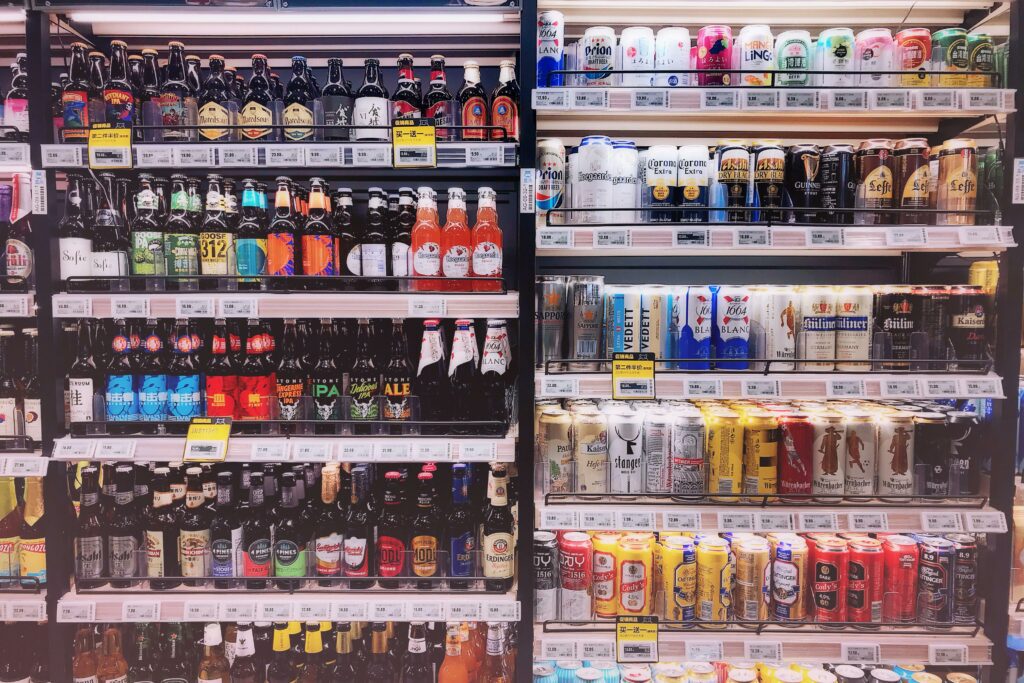
Managing Excess Inventory After the Christmas Peak
Reduced Spending and Lower Conversion
Workforce and Store Execution Challenges in Q1 Retail
Cashflow Challenges for Retailers After Q4
Tackle Q1 retail challenges with Dee Set